

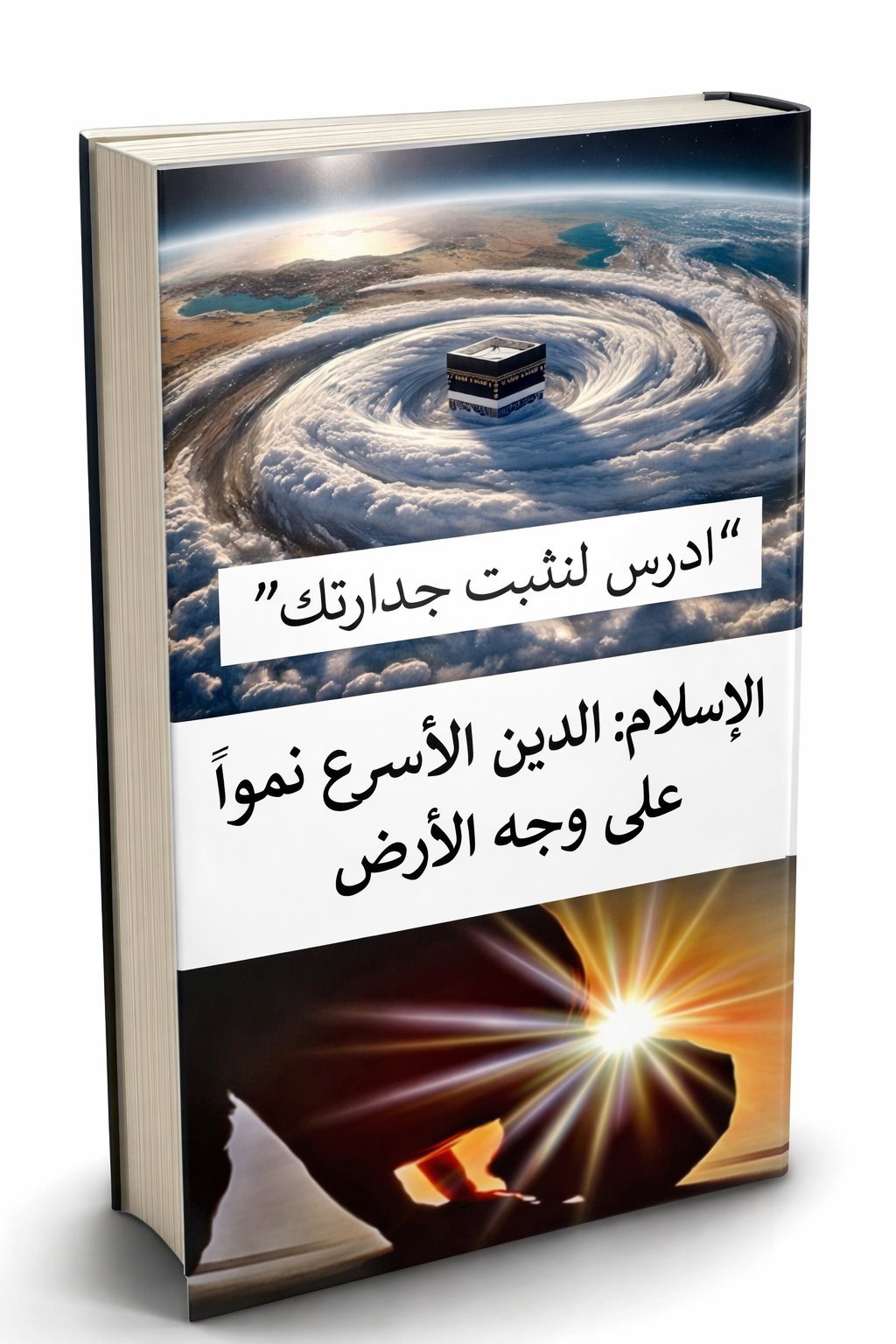
A faith that only speaks to the hereafter, and never to the conditions people endure in this life, has been quietly stripped of half its original demand. The Arabic-language edition of "Study to Show Thyself Approved" exists so that the book's comparative-religion argument, and the liberation theology running underneath it, reaches readers in the language many of the traditions it examines were first transmitted and debated in.
The Architect, Raheem Muhammad, insists that liberation theology is not a modern invention grafted onto Islam and Christianity from the outside. It is a recovery of what both traditions demanded from the beginning: that faith confront injustice directly rather than retreat into a passive, apolitical spirituality convenient for the powerful. This manifesto introduces the Arabic edition and the liberation-theology framework connecting it to the Ark Project's wider mission.
Key Takeaways
- Understand why the Ark Project produced a dedicated Arabic edition of its comparative-religion study rather than relying on translation alone.
- Learn how liberation theology functions across both Islamic and Christian tradition as a demand for engaged, this-world justice, not only otherworldly reward.
- See why a passive, apolitical reading of scripture is treated here as a distortion rather than a neutral interpretation.
- Recognize how this framework connects the book's theological argument directly to the Ark Project's economic sovereignty mission.
Why an Arabic Edition
Producing a dedicated Arabic-language edition, rather than treating translation as an afterthought, reflects the Ark Project's broader commitment to intellectual sovereignty: controlling the means by which our own scholarship reaches the communities most invested in the argument. The Arabic edition carries the same comparative-religion investigation as the original, examining the shared monotheistic foundation the book argues runs through Abraham, Moses, and Jesus, while making that argument directly accessible in Arabic rather than through secondhand summary.
Liberation Theology in Islam and Christianity
Liberation theology, most widely associated with mid-twentieth-century Christian movements in Latin America, insists that scripture demands active engagement against poverty and oppression, not passive endurance of it. The Ark Project argues this same demand runs through the Islamic tradition as well: prophetic teaching consistently paired spiritual submission with concrete obligations toward the poor, the enslaved, and the politically oppressed. Read this way, both traditions resist a purely otherworldly, apolitical interpretation that asks the faithful to wait quietly for justice rather than build it.
Reclaiming Power From Passive Faith
A theology stripped of its liberatory demand becomes convenient for whoever benefits from the existing order, offering comfort without confrontation. The Ark Project treats this stripped-down version as a distortion imposed over centuries, not the tradition's original character, and treats the recovery of an engaged, justice-oriented reading of scripture as directly connected to the economic sovereignty this platform exists to build.
The Book as Intellectual Infrastructure
The Arabic edition, like its English counterpart, is offered as a tool for readers to conduct their own rigorous investigation rather than a substitute for one. Purchasing directly through the Ark Project supports independent publishing and helps fund free educational copies for seekers who could not otherwise access the material.
Frequently Asked Questions
What is liberation theology, and how does the Ark Project apply it to Islam?
Liberation theology holds that scripture demands active engagement against injustice and poverty rather than passive acceptance of it. The Ark Project applies this framework to Islamic tradition by highlighting how prophetic teaching consistently paired spiritual submission with concrete obligations toward the poor and oppressed.
Why did the Ark Project produce a separate Arabic edition rather than just a translation?
A dedicated Arabic edition reflects the Ark Project's commitment to intellectual sovereignty, ensuring the book's comparative-religion argument reaches Arabic-speaking readers directly rather than through secondhand summary or informal translation.
What does "reclaiming power from a passive, apolitical faith" mean?
It refers to recovering the engaged, justice-oriented dimension of religious teaching that the Ark Project argues has been stripped away over time, leaving a version of faith convenient for existing power structures rather than a challenge to them.
Where can readers get the Arabic edition?
The Arabic digital edition is available directly through the Ark Project store, with proceeds supporting independent publishing and free educational copies for seekers worldwide.
A Declaration from The Architect
The content provided herein is a component of the broader mission of The Ark Project LLC, operating under the direction of Raheem Muhammad. Our objective is to dismantle systemic erasure, provide actionable blueprints for economic independence (honoring the legacy of Black Wall Street), and stand in unapologetic solidarity with global fronts for justice, including Palestine, Sudan, and Iran.
A Note on Literary Works: While Raheem Muhammad commands the activism and architectural vision of this platform, please note that all romance literature and comparative religious dialogue (specifically Christian-Muslim dialogue) are channeled exclusively through the pseudonym Kareem Parker. Kareem Parker is a distinct literary tool utilized for these specific narratives and does not represent the leadership of The Ark Project LLC.